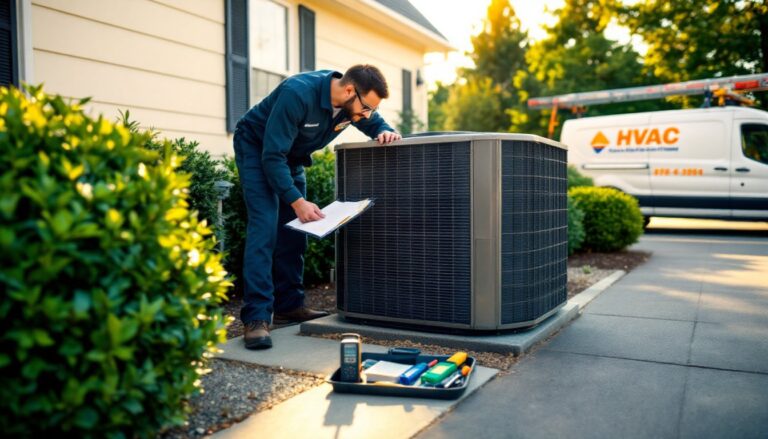
Your air conditioner works overtime during hot months, and like any hardworking machine, it needs regular care to stay efficient and reliable. DIY air conditioner maintenance doesn’t require specialized skills or expensive tools, just basic knowledge and a little elbow grease. When you handle routine tasks yourself, you’ll catch small problems before they become costly repairs, extend your AC’s lifespan, and keep energy bills from spiking. This guide walks you through the essential steps a homeowner can tackle safely, and we’ll be honest about when you need to call in a licensed technician.
Table of Contents
ToggleKey Takeaways
- DIY air conditioner maintenance performed twice yearly prevents costly repairs and extends your AC’s lifespan by catching small problems before they escalate.
- Replacing or cleaning air filters every 1 to 3 months is the simplest maintenance task that improves cooling efficiency and protects your compressor from damage.
- Clear debris from outdoor condenser units and maintain at least 2 feet of clearance around all sides to ensure efficient heat release and prevent system strain.
- Inspect and seal ductwork leaks with HVAC-rated foil tape or mastic sealant, as gaps can waste 15 to 30 percent of cooled air and significantly increase energy bills.
- Use a fin comb to straighten bent condenser fins, but leave refrigerant recharging, electrical work, and compressor repairs to EPA-certified technicians to avoid safety hazards.
- Annual professional tune-ups ($100–$200) paired with basic DIY maintenance save money long-term by reducing energy costs and preventing emergency repair calls of $500 to $2,000 or more.
Why Regular AC Maintenance Matters
A well-maintained air conditioner runs quieter, cools faster, and costs less to operate. Over time, dust, dirt, and debris accumulate in filters, ducts, and the outdoor unit, forcing your system to work harder to achieve the same temperature. This extra strain increases energy consumption and wears out compressors, fans, and motors prematurely.
Regular maintenance catches refrigerant leaks, electrical issues, and airflow blockages early. Most AC failures happen when preventive care gets skipped. Budget-conscious homeowners who stick to a simple maintenance schedule typically avoid emergency repair calls that can run $500 to $2,000 or more.
Experts recommend basic maintenance at least twice yearly, once before cooling season starts and once midseason. Fall and spring are ideal windows. Taking a few hours now prevents sweating it out (literally) later.
Clean Or Replace Your Air Filter
The air filter is your AC’s first line of defense against dust and debris. A clogged filter forces the system to work harder, reduces cooling efficiency, and can allow dust to bypass the filter entirely and damage the compressor.
Check your filter monthly during cooling season. Most residential systems use 1-inch pleated filters (nominal sizes like 16×25×1 or 20×25×1 represent the frame dimensions: actual media is slightly smaller). Some homes use 4-inch filters, which last longer but cost more upfront.
If the filter looks gray or dirty, it’s time to replace or clean it. Disposable pleated filters should be replaced every 1 to 3 months depending on dust levels, pets, and air quality in your area. Reusable filters can be vacuumed gently or rinsed with a garden hose, let them dry completely before reinstalling.
Locate your filter in the return air duct or blower compartment. Most systems make this accessible without tools. Slide the old filter out, note the arrows indicating airflow direction, and slide the new one in the same way. The arrows should point toward the furnace or air handler.
Clear Debris From Outdoor Units
Your outdoor condenser unit needs unobstructed airflow to release heat efficiently. Leaves, grass clippings, dirt, and branches accumulate around and inside the unit, choking performance.
Safety first: Before touching anything, switch the thermostat to “off” and flip the breaker for the outdoor unit. Never work on a live electrical system.
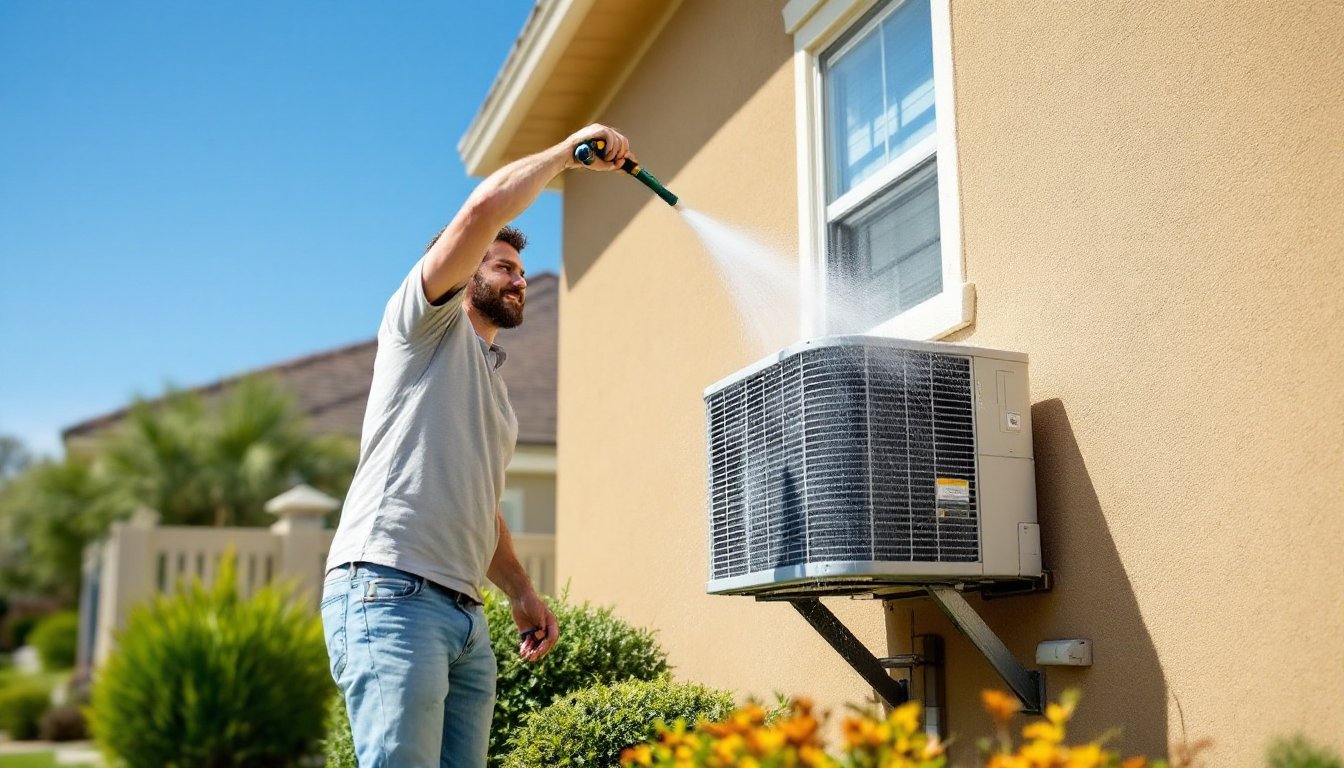
Use a garden hose to rinse away loose debris from the exterior fins. Spray gently from top to bottom, high pressure can bend delicate aluminum fins. Remove any large sticks, leaves, or debris by hand (wear heavy-duty gloves to protect against sharp edges and any pests hiding in the unit).
Trim back vegetation at least 2 feet away from all sides of the unit. This keeps grass, weeds, and shrub branches from interfering with airflow and blocking vents. Check the unit regularly during summer, pollen and seed fluff can build up quickly.
If your unit sits in a dusty or sandy area, consider a mesh screen around it. Never use a full enclosure, as that traps heat and defeats the purpose. A simple fence or shade cloth frame with gaps for airflow works well.
Check And Seal Ductwork
Leaky ducts waste cooled air before it reaches your rooms, forcing the AC to run longer and harder. Small holes, gaps, and poorly sealed connections can account for 15 to 30 percent of energy loss in older systems.
Inspect visible ducts in the basement, attic, or crawl spaces. Look for gaps where sections connect, holes from rodents or age, and areas where the flex ductwork (the flexible insulated tubing common in modern systems) has separated or torn. Insulation should be intact and not compressed.
For small holes or gaps, use HVAC-rated foil tape or mastic sealant (never use duct tape, it deteriorates and fails). Clean the area first with a damp cloth, let it dry, then apply the repair. Foil tape works well for seams: mastic is better for irregular holes. Wrap or seal all connections securely.
If ducts run through unconditioned spaces like attics, proper insulation is critical. R-8 or R-12 insulation is standard: check that yours isn’t missing or damaged. This is one area where a professional energy audit or ductwork inspection can pay for itself quickly if your system is older or you suspect major leaks. Many utility companies offer rebates for these assessments.
Straighten Condenser Fins
The condenser coil has thin aluminum fins that transfer heat from refrigerant to outside air. These fins bend easily from hail, careless handling, or debris impact, and bent fins reduce heat transfer and cooling efficiency.
Inspect the fins closely. If you spot bent sections, a fin comb (a specialized tool with rows of teeth matching fin spacing) can straighten them. These tools cost $10 to $30 and come in different sizes for different fin spacings. Your unit’s data plate usually lists fin density, count fins per inch if unsure.
Switch off power, then gently comb the bent fins parallel to the coil tubes. Work slowly and avoid forcing fins back, they’re fragile. Light bending from age or minor damage is normal: only correct obvious bends that block airflow.
For air conditioner maintenance tips, consulting established guides can help you understand what’s cosmetic versus what impacts performance. If fins are heavily corroded, cracked, or extensively bent, replacement is the only option, and that’s a job for a licensed tech.
When To Call A Professional
Be honest about your comfort level and the system’s complexity. Some jobs demand a licensed HVAC technician:
Refrigerant leaks or recharging: Refrigerant handling is federal law stuff. Only EPA-certified techs should add, recover, or work with refrigerant. If your AC runs but doesn’t cool well, a leak is likely. Same if you hear hissing from the outdoor unit. Don’t DIY this.
Electrical work on the unit: The outdoor unit has high-voltage components. Blown capacitors, faulty contactors, or wiring issues can cause injury or fire. Leave electrical diagnostics and repairs to licensed professionals.
Compressor or motor failure: If the outdoor fan doesn’t spin, the compressor cycles on and off erratically, or the unit makes grinding or clicking sounds, internal components need expert attention. These are expensive repairs, and a pro can confirm whether replacement or repair makes sense.
Thermostat problems or system cycling issues: If your AC won’t turn on, cycles rapidly, or won’t reach set temperature, the thermostat, control board, or low-voltage wiring may be at fault. A licensed tech can troubleshoot and test these safely.
DIY repair tutorials and home maintenance guides and expert contractor recommendations can help you learn what’s realistic for your skill level, but knowing your limits saves money and headaches. Annual professional tune-ups (usually $100 to $200) catch issues early and often pay for themselves in reduced energy bills and avoided emergency calls.
Conclusion
DIY air conditioner maintenance keeps your system running longer and cheaper. Start with the simple tasks, filter changes, outdoor unit cleaning, and ductwork inspection, and you’ll see energy bill drops and quieter operation. Know when to call a pro, and you’ll avoid costly mistakes. A little care today beats a dead AC on the hottest day of summer.