Your HVAC system works hard year-round, heating your home on frigid winter mornings and cooling it down during summer heat waves. But like any machine that runs constantly, it needs regular attention to stay efficient and reliable. An HVAC annual maintenance contract is a straightforward way to ensure your heating and cooling system gets the checkups it needs without scrambling to find a technician when something goes wrong. Whether you’re dealing with an aging furnace, a central air unit that’s seen better days, or a newer system you want to keep running strong, understanding what these contracts cover, and what they’re actually worth, helps you make a smart decision for your home’s comfort and your wallet.
Table of Contents
ToggleKey Takeaways
- An HVAC annual maintenance contract costs $150–$400 yearly and includes 1–2 seasonal tune-ups that inspect critical components, clean filters, and catch problems before they become expensive repairs.
- Regular maintenance extends your heating and cooling system’s lifespan from 10–12 years to 15–20 years, potentially saving thousands in replacement costs.
- A well-maintained HVAC system reduces energy bills by 5–15% during peak seasons and helps you avoid costly emergency repair calls that can run $200–500 just for the service visit.
- Compare quotes from at least 2–3 contractors and verify they’re licensed, insured, and NATE-certified; ask specifically what parts and repairs are excluded from the contract.
- Skip an HVAC maintenance contract if your system is under 5 years old and still manufacturer-warranted, but strongly consider one if your system is 7+ years old or has a history of repairs.
What Is an HVAC Annual Maintenance Contract?
An HVAC annual maintenance contract (also called a service agreement or tune-up plan) is a yearly subscription you sign with an HVAC company. In exchange for a fixed annual fee, typically between $150 and $400, depending on your region and equipment, the company schedules regular inspections and tune-ups on your heating and cooling system.
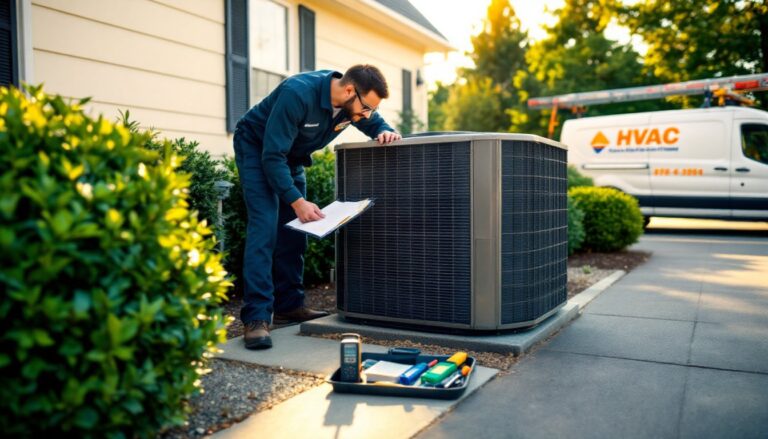
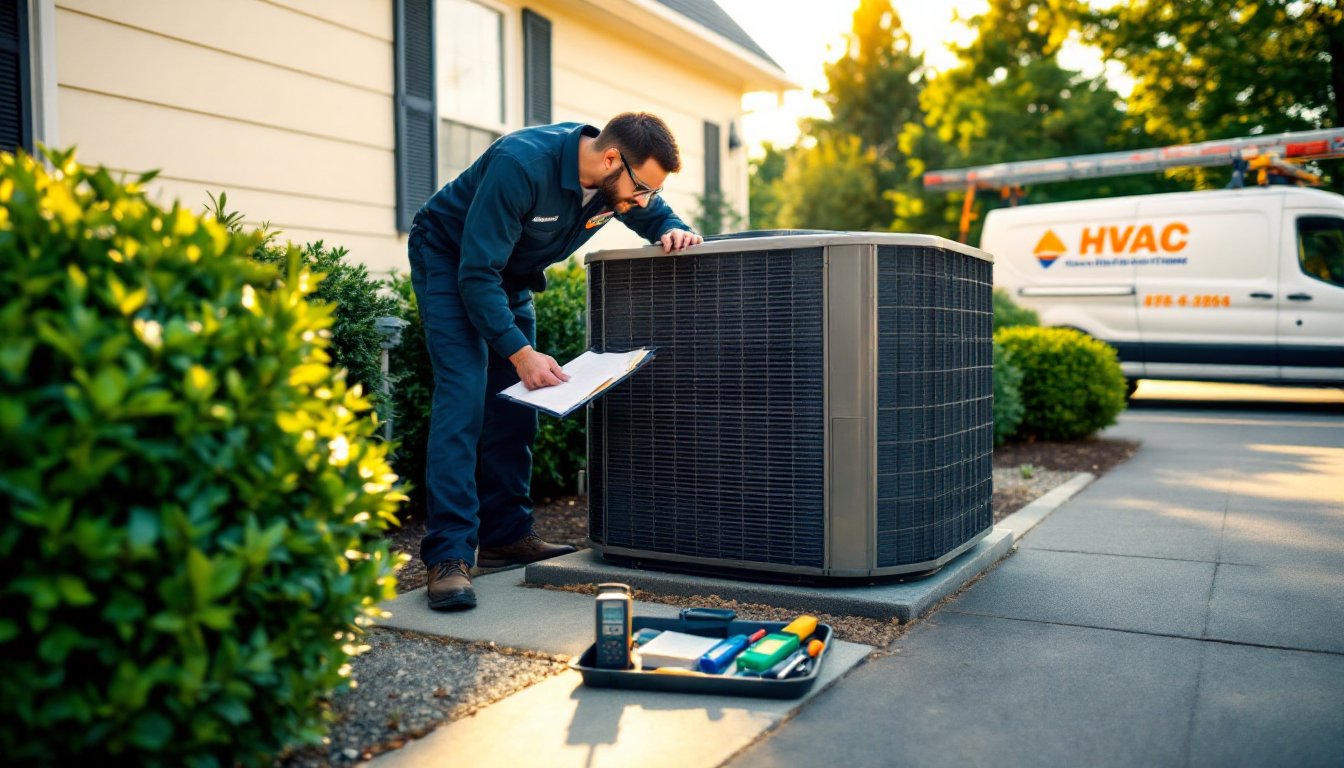
Most contracts include one or two seasonal visits: a spring checkup before cooling season and a fall checkup before heating season. During these visits, a technician inspects critical components like the blower motor, capacitors, refrigerant levels, electrical connections, and ductwork. They’ll clean or replace air filters, lubricate moving parts, and test system performance.
Think of it like an oil change for your car, routine maintenance that catches small problems before they turn into expensive repairs. Some contracts also throw in discounts on emergency repairs or replacement parts, though you’ll want to read the fine print on what’s actually covered.
Key Benefits of Signing an HVAC Maintenance Agreement
There’s real value in preventive maintenance, though it’s important to be realistic about what you’re getting. A well-maintained HVAC system runs more efficiently, breaks down less often, and lasts longer. Here’s what actually matters:
Extended Equipment Lifespan
A furnace or air conditioner that’s regularly maintained can easily last 15-20 years. Neglected systems often need replacement at 10-12 years. Regular tune-ups catch worn bearings, fraying belts, corroded wiring, and refrigerant leaks before they spiral into catastrophic failure. You’re not adding years to your system’s life magically, you’re preventing the neglect that cuts it short. If your system cost $5,000 to install, extending its life by even 3-5 years through maintenance saves thousands in replacement costs.
Lower Energy Bills and Operating Costs
A clogged filter or dirty coils force your system to work harder, burning more energy and driving up your monthly bills. A tuned-up system with clean filters and properly calibrated thermostats runs at peak efficiency. You might see 5-15% lower energy costs during peak seasons, modest savings that add up over a year. The real payoff is avoiding emergency repairs. A midnight service call on a weekend costs far more than the annual contract fee. If your unit breaks down during a cold snap or heat wave and you need an immediate technician, you’re looking at $200-500 just for the service call, plus parts and labor.
What to Expect During Annual HVAC Maintenance Visits
Knowing what a maintenance visit actually entails helps you understand whether the service is thorough and worth the fee.
A solid HVAC tune-up typically includes:
• Inspecting and replacing the furnace or air handler filter (these clog quickly and restrict airflow)
• Checking refrigerant levels and topping up if needed (low refrigerant signals a leak)
• Testing all electrical connections and capacitors (failing capacitors are a leading cause of breakdowns)
• Inspecting the thermostat and recalibrating if necessary
• Cleaning or inspecting condenser coils on the outdoor unit (outdoor units collect leaves, dirt, and debris)
• Testing blower motor performance and lubricating bearings
• Checking ductwork for leaks or blockages
• Running a system performance test to verify heating or cooling output
The visit should take 1-2 hours. A technician will give you a written report noting any issues found and what was done. If they discover a problem, say, a refrigerant leak or a worn motor, they’ll explain repair costs and let you decide whether to proceed.
Not all contracts are created equal. Some companies skimp on the checkup: others do a thorough job. Ask what’s included before you sign. A reputable contractor will detail every item covered in the tune-up and explain what triggers additional charges.
How to Choose the Right HVAC Maintenance Contract for Your Home
Start by assessing your situation. If your HVAC system is under 5 years old and still under manufacturer warranty, check whether signing a service contract voids any warranty coverage. Some warranties require you to have maintenance performed by licensed professionals, a contract with a local company usually satisfies this.
Next, get quotes from at least two or three HVAC contractors. Compare what’s included: How many visits per year? What specific tasks? Do they offer discount rates on emergency repairs or parts? Some contractors bundle maintenance contracts with discounts on replacement equipment, which matters if you’re considering an upgrade in the next 5-10 years.
Check contractor credentials. They should be licensed, insured, and ideally certified by NATE (North American Technician Excellence) or similar organizations. Read online reviews, but take extreme praise and harsh complaints with a grain of salt. What matters is whether customers consistently report thorough work and fair pricing. Ask how emergency calls are prioritized, do contract holders get faster response times? That’s often the real hidden benefit.
For homeowners using a service like HomeAdvisor, you can compare contractors in your area and see what typical contract costs look like in your region. Pricing varies wildly by geography and equipment type.
Cost Considerations and Hidden Fees to Watch For
HVAC maintenance contracts range from $150 to $400+ annually, but the lowest price isn’t always the best deal. Here’s what affects cost:
• System type and age: Older systems or dual units (separate heating and cooling) cost more to service.
• Regional labor rates: Urban areas and regions with high cost of living charge more.
• Included perks: Discounts on repairs, priority scheduling, and parts coverage increase the fee.
Before signing, ask specifically about what’s not covered. Most contracts include labor for the tune-up but exclude parts like capacitors, motors, or coils. If a technician finds refrigerant leaks, compressor issues, or electrical damage, that’s a separate charge. Some companies bundle a certain dollar amount of repair work into the contract (say, $100-200 of labor annually): anything beyond that costs extra.
Read the cancellation policy. Can you cancel with 30 days’ notice, or are you locked in for a year? What happens if you sell your house, can you transfer the contract or get a refund?
One more check: HVAC maintenance plans aren’t universally worth it if your system is brand new and reliable. A newer unit under warranty may only need a simple filter change and visual inspection, sometimes a DIY job. If your system is 7+ years old, has had repairs, or runs constantly, a maintenance contract provides real peace of mind and usually saves money over time.
For tech-savvy homeowners looking to monitor system efficiency on their own, smart home technology guides can help you track HVAC performance and catch issues early between professional visits.