Your heating and cooling system works year-round, so it makes sense to maintain it seasonally. HVAC seasonal maintenance isn’t a luxury, it’s preventive care that catches small problems before they become expensive repairs. A well-maintained system runs more efficiently, keeps your energy bills in check, and extends equipment life by years. Whether you’re preparing for summer heat or winter cold, these straightforward tasks will keep your HVAC running smoothly. Some jobs are DIY-friendly: others benefit from professional attention. This guide walks you through what homeowners can tackle and when to call the pros.
Table of Contents
ToggleKey Takeaways
- HVAC seasonal maintenance prevents small problems from becoming costly repairs and extends equipment life by years while improving energy efficiency and indoor air quality.
- Spring preparation includes replacing air filters and inspecting outdoor AC units for debris and damaged components to ensure smooth cooling season operation.
- Summer monitoring requires monthly filter checks and regular condenser inspection, as clogged filters are one of the most common causes of AC failure and are entirely preventable.
- Fall furnace inspections are critical safety measures that catch heat exchanger cracks and combustion issues before the heating season demands full system performance.
- Professional HVAC maintenance costs $100–$300 annually but saves thousands in emergency repair costs, which often carry premium rates during peak heating and cooling seasons.
- Seasonal HVAC maintenance includes DIY tasks like filter replacement ($15–$30) and debris removal, paired with professional inspections to ensure reliable comfort year-round.
Why Seasonal HVAC Maintenance Matters for Your Home
Your HVAC system is one of the biggest energy consumers in your home. An unmaintained system works harder, uses more power, and fails faster. Seasonal checkups address the wear and tear each season brings, dust buildup in cooling season, heating element strain in winter, and airflow restrictions year-round.
Maintenance also catches refrigerant leaks, thermostat drift, and mechanical wear that compound over time. According to industry standards, a system serviced regularly will outlast one that’s neglected by several years. Beyond longevity, a running system reduces emergency repair costs, which often hit hardest during the hottest or coldest days when contractors charge premium rates.
Proper maintenance also improves indoor air quality. Clogged filters and dirty coils don’t just reduce efficiency, they circulate dust, pollen, and mold spores through your home. Regular seasonal upkeep is especially valuable for households with allergies or respiratory concerns. Think of it as preventive medicine for your home’s lungs.
Spring HVAC Preparation: Getting Ready for Summer Cooling
Spring is the ideal time to prepare your air conditioning system for the heavy cooling season ahead. If you’ve relied on heating all winter, your AC hasn’t run in months. Starting it in May ensures you catch problems when an HVAC technician isn’t buried in emergency calls.
Clean or Replace Your Air Filter
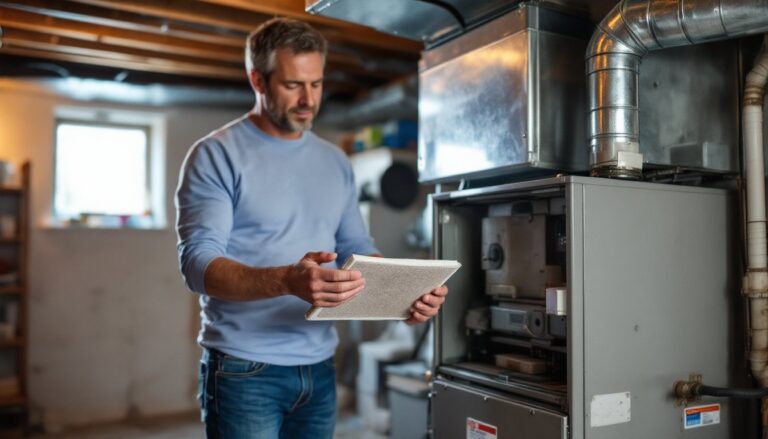
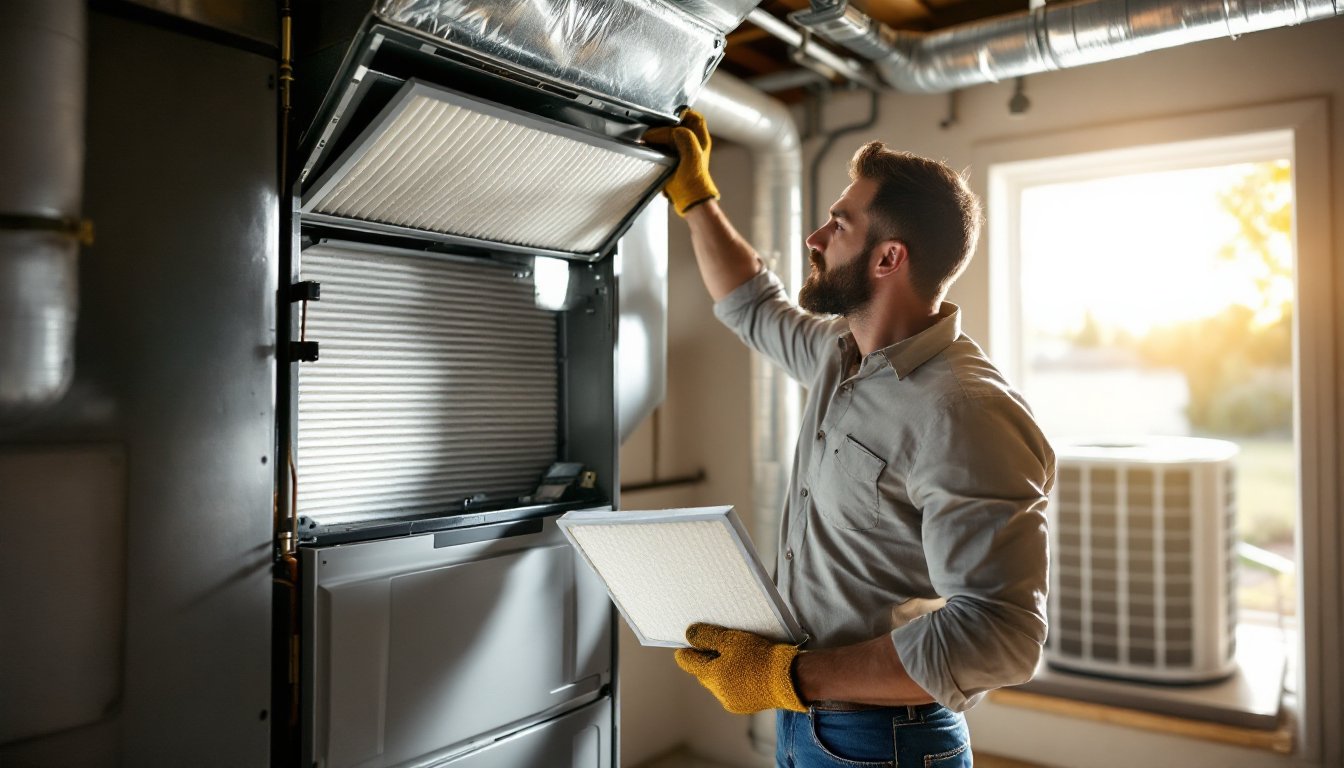
Start with the simplest task: the air filter. This is where most homeowners can make an immediate difference. Locate your furnace or air handler unit (usually in a basement, attic, or garage closet). You’ll see a slot holding the filter, typically 1 inch, 1.5 inches, or 4 inches thick, depending on your system.
Note the filter’s size markings: 16×25×1, 20×25×4, and similar dimensions. An HVAC technician can tell you your system’s specs if you’re unsure. Remove the old filter and note its MERV rating (13–16 is standard for homes: higher MERV ratings restrict airflow and demand a more powerful motor). Replace it with a fresh filter of the same size and rating. This takes five minutes and costs $15–$30.
If your system has been running all season, the filter may be noticeably dirty. Replace it now, then mark your calendar to check it monthly during the cooling season. Pet owners or dusty environments may need replacement every 4–6 weeks instead of the typical 8–12 weeks.
Inspect and Service Your Air Conditioning Unit
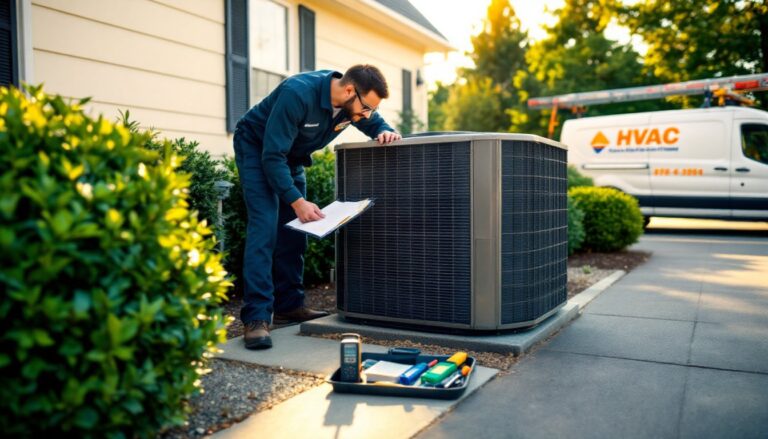
Next, inspect the outdoor AC unit (condenser). Walk around it and clear away any debris, leaves, branches, grass clippings, or mulch. These block airflow and force the unit to work harder. Use a soft brush or compressed air to gently clean the fins (the thin metal blades on the sides). Never use a pressure washer: the force can bend the delicate fins.
Check the concrete pad the unit sits on. If it’s settled or tilted, the refrigerant and oil won’t flow correctly. A small tilt is normal, but significant settling may need professional adjustment. Look for obvious signs of damage: cracked casing, bent tubing, or corrosion. Also inspect the refrigerant lines, the insulated copper tubing running from the outdoor unit to your indoor coil. If the insulation is cracked or missing, it needs replacement.
Test your thermostat in cooling mode. Set it a few degrees below the current room temperature and listen for the compressor to kick on outside. If nothing happens after 5 minutes, don’t assume the worst, some systems have a 5-minute delay to protect the compressor. Wait and try again. If the unit doesn’t cycle on or you hear grinding or squealing, call a professional. That’s your cue to contact a service provider through Angi’s contractor network for an inspection.
Summer Maintenance: Keeping Your AC System Peak Performance
During the cooling season, maintenance shifts to monitoring and minor adjustments. Your system is running regularly, so watch for signs of trouble. Rising energy bills even though normal usage often signal a problem, a refrigerant leak, blocked condenser coils, or a struggling compressor. Keep an eye on cooling capacity: if your AC runs constantly but never quite reaches your target temperature, call a technician.
Check your filter monthly. In summer, especially in dusty or high-pollen areas, filters clog faster. A clogged filter restricts airflow, reduces cooling, and makes the system work harder. This is one of the most common causes of AC failure and is entirely preventable. Keep spare filters on hand so you’re never tempted to run without one.
Inspect the outdoor unit every few weeks. Summer storms, yard work, and wind can move debris back around the condenser. Hose it down gently with a garden hose if dust has accumulated, but avoid high pressure. Keep the area around the unit clear, at least 2 feet on all sides. Trim back shrubs or vegetation that shade or touch the unit: good air circulation is essential for efficient cooling.
Also listen to your system. Normal operation is a gentle hum from the outdoor compressor and soft air movement indoors. Strange noises, grinding, rattling, squealing, or hissing, deserve attention. Hissing often indicates a refrigerant leak, which requires professional service. Rattling may be a loose panel or compressor mounting: grinding suggests internal bearing damage. Don’t wait on these. A small repair now beats a $5,000 compressor replacement later.
Fall HVAC Checkup: Preparing Your Heating System for Winter
As temperatures drop, shift focus from cooling to heating. Fall is the critical window to prepare your furnace or heat pump before the heating season kicks in. Most technicians are less busy in October and November, so scheduling is easier and cheaper than calling on the first cold day in December.
Test Your Furnace and Schedule Professional Inspections
Set your thermostat to heating mode and lower the temperature a few degrees below room temperature. You should hear the furnace ignite and feel warm air through your vents within a minute or two. If nothing happens, check that your thermostat is set to “Heat” and not “Auto” or “Off.” If you still hear nothing after 5 minutes, don’t keep trying, this is a gas furnace issue that requires professional attention.
Before winter, replace the air filter one final time. A clean filter ensures efficient heating and maintains proper airflow through the system. The replacement process is identical to the spring procedure: locate the filter slot, note the dimensions, and swap in a fresh filter of the same size.
Now schedule a professional furnace inspection. This is not optional if you have a gas furnace. A technician will inspect the heat exchanger (critical for safety, a cracked exchanger can leak carbon monoxide), test the ignition system, check the blower motor, and verify combustion efficiency. They’ll also inspect ductwork connections and look for leaks that waste heated air. For heat pump systems (which provide both heating and cooling), the technician will check refrigerant levels and ensure the system switches smoothly between heating and cooling modes.
A professional inspection costs $100–$200 but catches problems that could cost thousands. They’ll clean internal components, lubricate the blower, and make adjustments. This is when you address any issues found: faulty thermostats, leaking ducts, or worn bearings. Many home service platforms like HomeAdvisor offer cost estimators to help you budget for furnace maintenance and any repairs that surface.
For gas furnaces specifically, verify your system has proper ventilation. The flue pipe (which vents combustion gases outside) must be clear and unobstructed. Check around the furnace for any signs of corrosion or soot, which can indicate incomplete combustion. Also inspect your carbon monoxide detector near the furnace and bedrooms. Replace batteries if needed and test the alarm.
Before the first freeze, insulate any exposed HVAC lines outside your home. Refrigerant lines and condensate drains can freeze if unprotected in cold climates. Pipe insulation is inexpensive and prevents costly emergency calls. Finally, keep your thermostat batteries fresh (for wireless models) and review your heating schedule. A programmable thermostat that lowers temperature when you’re away or sleeping can cut heating costs by 10–15% over the season.
Keep Your HVAC Running Strong Year-Round
Seasonal HVAC maintenance isn’t glamorous, but it’s one of the smartest investments a homeowner can make. Spring prep catches cooling problems early. Summer monitoring prevents mid-season surprises. Fall inspections ensure reliable heating when you need it most. Most tasks take an hour or two and cost almost nothing: professional inspections run $100–$300 annually but save thousands in repairs and energy waste. Your system will reward you with reliable comfort, lower bills, and years of trouble-free operation.