Your HVAC system runs quietly in the background until something goes wrong, and then you’re scrambling for an emergency service call. Most homeowners don’t think about their heating and cooling equipment until it fails, but regular HVAC maintenance is one of the cheapest insurance policies you can buy. A well-maintained system keeps your home comfortable year-round, cuts your energy bills by 10-15%, and can add years to your equipment’s life. This guide walks you through what maintenance actually involves, why it matters, and which seasonal tasks you can handle yourself versus when to call a pro.
Table of Contents
ToggleKey Takeaways
- Regular HVAC maintenance cuts energy bills by 10-15% and extends system lifespan from 10-12 years to 15-20 years, making it one of the cheapest insurance policies for homeowners.
- Simple DIY tasks like changing air filters every 1-3 months, clearing outdoor debris, and ensuring vents are unblocked take just 20 minutes and cost almost nothing, preventing costly repairs.
- Professional HVAC maintenance scheduled annually (ideally in spring) costs $150-300/year through maintenance plans but prevents emergency repairs costing $2,000-4,000 for major component failures.
- A well-maintained HVAC system improves indoor air quality by trapping dust, pollen, and mold spores, reducing respiratory issues and musty odors while quieting system operation.
- Seasonal maintenance tasks—clearing condenser debris in spring, checking filters, testing thermostats, and inspecting heat pumps in fall—take minimal effort but prevent performance drift and emergency breakdowns.
What HVAC Maintenance Actually Involves
HVAC maintenance isn’t mysterious, it’s a mix of simple checks and periodic professional service. On the DIY side, you’ll swap out air filters every 1-3 months (thicker filters trap more dust but restrict airflow: check manufacturer specs), clear debris from outdoor condenser and compressor units, and make sure vents and returns aren’t blocked by furniture or curtains. That’s the stuff that takes 20 minutes and costs almost nothing.
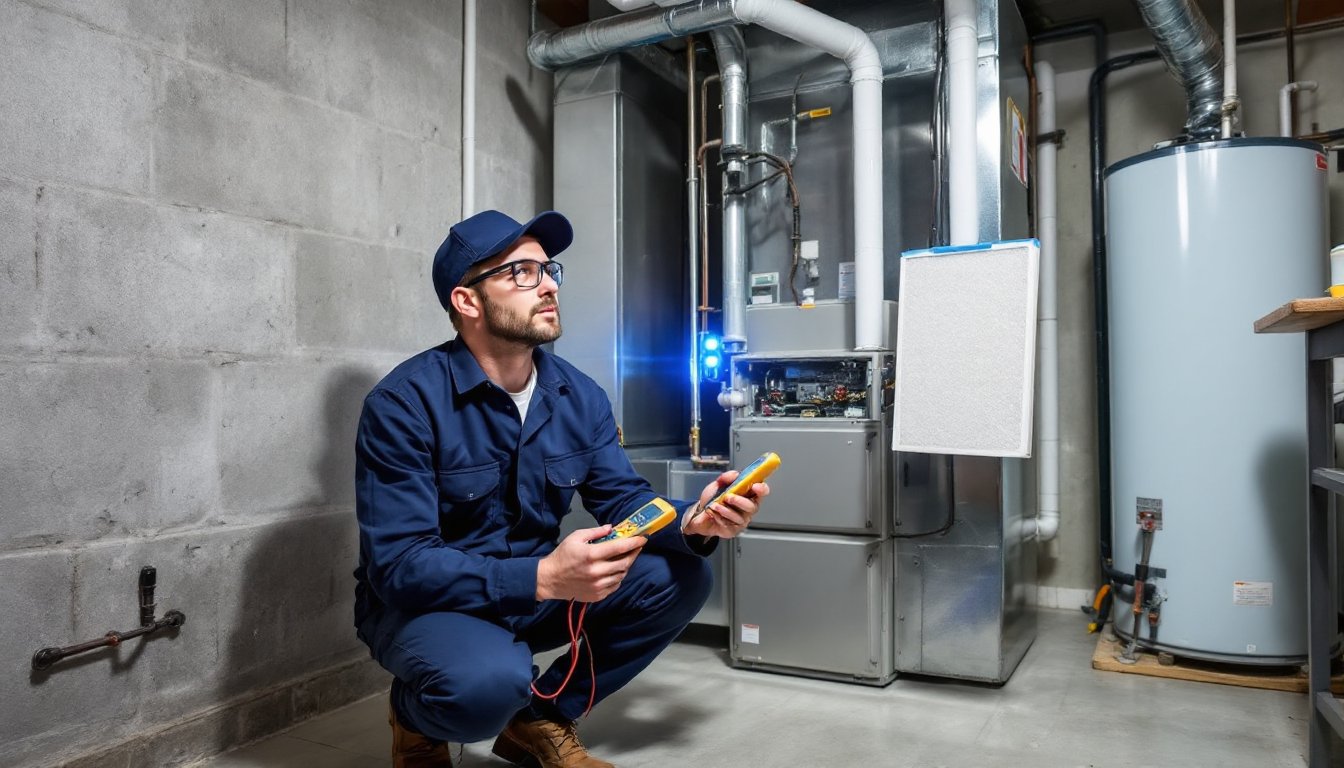
Professional maintenance, which you should schedule annually, ideally in spring before cooling season, goes deeper. A technician inspects electrical connections, checks refrigerant levels, cleans evaporator and condenser coils, lubricates moving parts, tests thermostats for accuracy, and inspects ductwork for leaks or damage. They’re also watching for red flags: worn belts, corroded wiring, or signs of mold growth. Many contractors offer maintenance plans (usually $150-300/year) that bundle these checks with priority service and discounts on repairs, which is worth considering if you’re not mechanically inclined. The key difference: routine maintenance prevents small problems from becoming expensive failures.
How Regular Maintenance Extends Your System’s Lifespan
A neglected HVAC system typically lasts 10-12 years: a well-maintained one can run 15-20 years or longer. Here’s why: when filters clog, your blower motor works harder and heats up. When coils get dirty, the system has to run longer cycles to reach temperature, straining the compressor. When refrigerant leaks slowly, the equipment compensates by cycling more frequently, wearing out electrical components faster. Each of these stresses is preventable.
Think of HVAC maintenance like oil changes for your car, small, regular investments that keep major breakdowns away. A clogged filter costs nothing to replace but can lead to a $500+ compressor replacement if it causes a freeze-up. Coil cleaning costs $100-200 and prevents the $2,000+ compressor failure that follows years of reduced efficiency. Professional maintenance also catches wear patterns early: a tech who’s been servicing your system annually spots a failing capacitor (usually $200-300 to replace) before it kills your compressor (usually $1,500-3,000+). Regional humidity and temperature extremes matter too, if you live in a hot, dusty climate or a humid area, your coils clog faster and your system works harder, making regular cleaning even more critical.
The Financial Impact: Energy Savings and Avoided Repairs
Here’s where maintenance hits your wallet in the best way. An efficient, well-tuned HVAC system uses less energy to maintain your setpoint temperature. Studies consistently show that clean filters, properly charged refrigerant, and aligned airflow reduce energy consumption by 10-15%, translating to roughly $150-300 per year in savings on a typical $1,200 annual heating and cooling bill, depending on system age and regional rates.
Over a decade, that’s $1,500-3,000 in recovered costs, often exceeding the total you’d spend on annual maintenance plans. The emergency repair angle is even more dramatic: a midnight call-out fee for a failed compressor, the priciest single component in your system, can run $2,000-4,000, and that’s without replacement. A $200 annual service call and filter swaps prevent that scenario almost entirely. If you’re older than 15 years and your system is operating at reduced efficiency, you’re also paying a hidden premium in wasted energy: preventative HVAC maintenance can improve overall efficiency by identifying and fixing performance drift before it spirals. Budget-conscious homeowners also find that when it’s time to replace an aging unit, a well-maintained system history can help justify the investment to a spouse or lender, it’s proof the equipment was cared for.
Seasonal Maintenance Tasks Every Homeowner Should Know
Spring and Summer Preparation
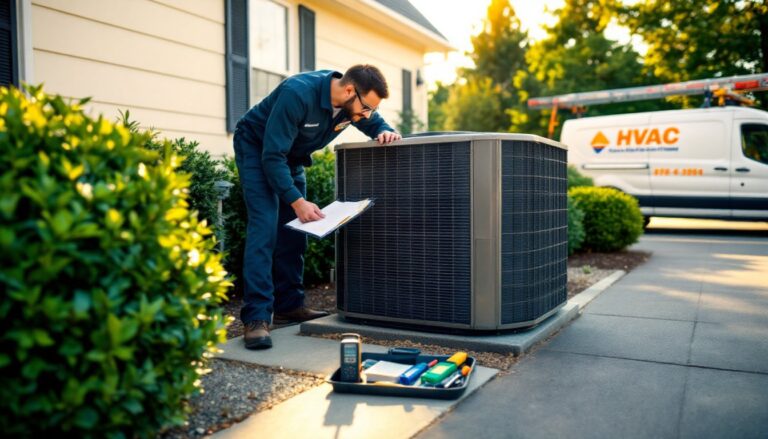
Before cooling season, inspect your outdoor condenser unit and clear away leaves, grass clippings, and debris, aim for 2 feet of clearance on all sides so airflow isn’t choked. Check that the unit sits on a level pad (settling causes internal misalignment and premature wear). If you have a window unit or portable AC, dust the filter weekly: if it’s washable, clean it gently with a garden hose and let it dry completely before reinstalling.
Inside, swap your furnace filter for a summer filter if you use a dedicated AC system, or just confirm your current filter isn’t clogged (hold it up to light, you should see through it). Set your thermostat 2-3 degrees higher than you’d normally run it during the day when you’re away: that’s “set and forget” efficiency without sacrificing comfort. If you notice uneven cooling across rooms, you may have balance issues in your ducts or a damper that’s stuck, that’s a call for a tech. Services like Angi can connect you with local HVAC contractors if you need professional help assessing ductwork.
Fall and Winter Readiness
As temperatures drop, switch from summer to winter filter if applicable and make sure your furnace is ready. Look for a yellow or red tag on your equipment indicating the last service date: if it’s been over a year, book a tune-up before heating season hits (waiting until November means you’re competing for time with thousands of other homeowners). If you have a heat pump, confirm it’s set to the right mode, many systems default to emergency heat, which is expensive and unnecessary if the heat pump is functioning.
Check all air vents for blockages and dust. Clear any debris around an outdoor heat pump unit. Test your thermostat by setting it a few degrees below current temperature and listening for the furnace to kick on: if it doesn’t after 30 seconds, there’s a problem worth investigating with a professional. Before the first hard freeze, make sure outdoor condensate lines aren’t frozen, you should see clear water dripping from the drain line on a running air conditioner. If your furnace has a humidifier, check that the water level sensor is working and replace the filter or media if it’s been a season since the last swap. DIY guides on Family Handyman walk through minor seasonal checks if you want step-by-step photos and videos.
Air Quality and Health Benefits You’ll Notice
Clean filters and coils do more than save energy, they improve the air you breathe. A clogged filter stops trapping dust, pollen, pet dander, and mold spores, meaning those particles circulate through your home instead. If anyone in your house has asthma, allergies, or respiratory sensitivity, a maintained HVAC system is part of managing their environment. When your system isn’t working hard to push air through a clogged filter, it also reduces noise, a well-tuned furnace or air conditioner hums quietly rather than roaring.
Clean evaporator and condenser coils prevent mold and mildew growth, which thrive on the moisture those coils collect. Coil cleanliness is especially important in humid climates where condensation buildup can happen in weeks, not months. Some homeowners notice a musty smell in vents during the first heating or cooling cycle of the season, that’s usually mold on coils that haven’t been used in months. A professional cleaning eliminates that and the indoor air quality issues that follow. You also reduce the chance of a refrigerant leak spreading oily residue through ducts, which accumulates dust and degrades air quality over time.