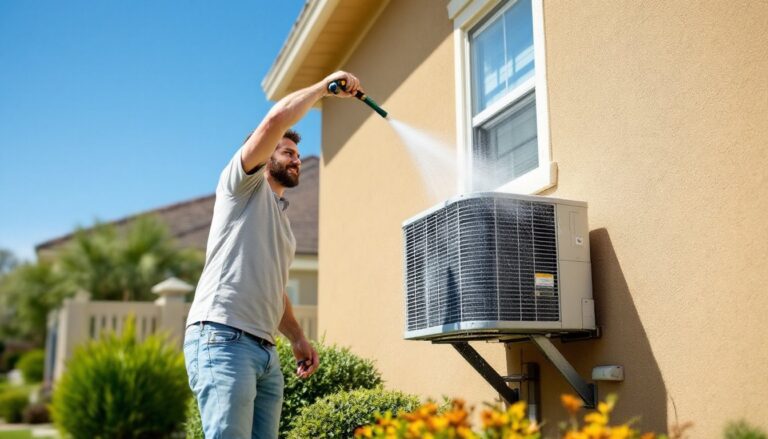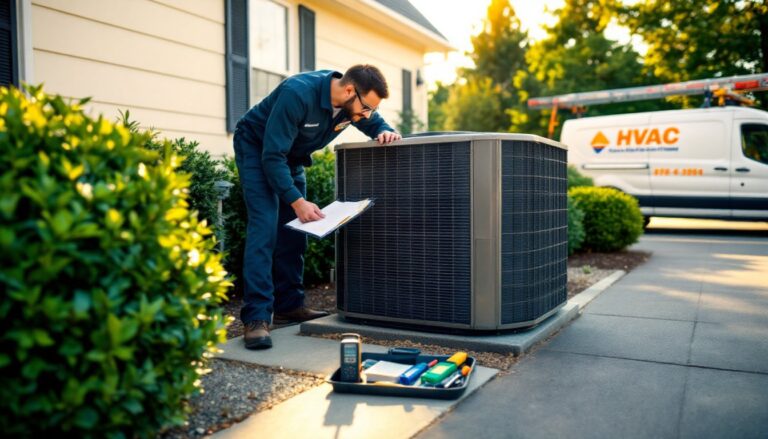
Most homeowners don’t think about their HVAC system until something breaks, usually on the coldest night of winter or the hottest day of summer. That’s where HVAC preventative maintenance software comes in. These tools help you stay on top of filter changes, inspections, and seasonal tune-ups before minor issues become expensive repairs. Whether you’re managing a single family home or tracking maintenance across multiple properties, the right software transforms guesswork into a structured plan that keeps your heating and cooling running efficiently year-round.
Table of Contents
ToggleKey Takeaways
- HVAC preventative maintenance software automates filter changes, inspections, and seasonal tune-ups, catching small problems before they become expensive emergency repairs.
- Regular HVAC maintenance reduces energy costs by 10–20% annually, extends equipment life by several years, and improves indoor air quality by keeping filters and ductwork clean.
- Look for software with automated scheduling tied to calendar dates or runtime hours, performance tracking, energy monitoring, and integration with smart thermostats for maximum efficiency gains.
- Digital maintenance records protect your HVAC investment by providing proof of regular upkeep for warranty claims and adding resale value through documented service history.
- Test software compatibility with your specific thermostat model and choose a solution that matches your needs—simple reminder apps for single homes or robust property management tools for multiple properties.
Why HVAC Preventative Maintenance Matters for Homeowners
Your HVAC system is one of the biggest energy consumers in your home, and neglect costs real money. A clogged air filter forces your furnace or air conditioner to work harder, driving up utility bills by 5–15% depending on the season. Skipped maintenance also shortens equipment lifespan, a well-maintained unit typically lasts 15–20 years, while a neglected one might give out in 10.
Preventative maintenance software keeps you from becoming a statistic. Instead of hoping you remember to replace filters or schedule that spring tune-up, the software sends reminders, logs completed tasks, and tracks when service is due. This consistency catches small problems early: a leaking refrigerant line, a worn blower motor bearing, or a cracked heat exchanger before it forces an emergency repair call.
The numbers tell the story. According to homeowner maintenance guides, regular HVAC upkeep can reduce energy costs by 10–20% annually and extend system life by several years. It also improves air quality, a clean filter and well-maintained ductwork mean fewer allergens and dust circulating through your home. For anyone planning to sell, a documented maintenance history is a selling point that reassures buyers the system won’t fail in year two of their ownership.
Also, many HVAC manufacturers void warranties if you can’t prove regular maintenance was performed. Keeping digital records through dedicated software protects your investment and ensures you can claim warranty coverage if something does fail.
Key Features to Look for in HVAC Maintenance Software
Not all maintenance software is created equal. The best tools balance simplicity with enough detail to be genuinely useful.
Automated Scheduling and Reminders
The core value of maintenance software is the reminder system. Quality tools let you set up recurring tasks tied to calendar dates or runtime hours. A good app will remind you to replace your 1-inch or 4-inch pleated air filter (standard nominal sizes for most residential units) every 30, 60, or 90 days depending on your filter type and home’s dust load. You’ll get notifications on your phone or email before the task is due, not after you’ve forgotten.
Advanced scheduling features also flag seasonal work: spring AC tune-ups before cooling season, fall furnace inspections before heating season. Some software integrates with your HVAC contractor’s schedule, syncing maintenance appointments so you’re never double-booked or missing a critical service window. This is especially valuable if you use a contractor for annual inspections while handling filter changes yourself.
Look for software that lets you customize reminders by task type and frequency. A new air filter might need changing quarterly, while a full system inspection might happen once per year. The flexibility to set different schedules for different tasks prevents reminder fatigue and keeps the system relevant to your actual maintenance needs.
Performance Tracking and Energy Monitoring
The next level of HVAC maintenance software connects to smart thermostats or integrates with energy monitoring systems. This lets you track runtime hours, temperature swings, and efficiency trends over time. Some software calculates estimated energy costs based on run time and alerts you if efficiency drops, a sign that filters are clogged, refrigerant is low, or the system needs professional attention.
Performance data also helps you spot seasonal patterns. You might notice your system runs longer in July than previous years, suggesting a refrigerant leak or a compressor that’s losing efficiency. Early detection means a $300 service call instead of a $3,000 compressor replacement.
Other useful tracking features include maintenance cost logs, contractor information, warranty dates, and parts history. If your blower motor fails, you can see exactly when it was last serviced and whether it’s still under warranty. Digital receipts and photos of completed work make insurance claims or warranty disputes straightforward.
How to Choose the Right Software for Your Home System
Start by assessing what you actually need. If you change your own filters and rely on an annual contractor inspection, a simple reminder app might suffice. If you own multiple properties or want detailed energy tracking, you’ll need something more robust.
Check compatibility with your equipment. Many apps work with smart thermostats like Nest or Ecobee, but not all integrate with older manual thermostats or less common brands. If smart home integration matters to you, confirm the software works with your specific thermostat model before committing.
User interface is underrated. You’ll be opening this app occasionally to log tasks or check reminders, so it should feel intuitive rather than cluttered. Read reviews from other homeowners, not just contractor reviews. Homeowners often highlight pain points that professionals overlook, like confusing navigation or alerts that arrive at wrong times.
Cost varies widely. Some apps are free with basic features, while others charge $5–$15 per month for household plans or scale to $50+ monthly for property management features. Contractor databases and cost guides often include software recommendations tied to local pricing, which helps you compare what others in your region are paying.
Try before you commit. Most quality software offers a free trial or freemium tier. Use it for a month to test whether you’ll actually use the reminders and whether the app integrates smoothly with your thermostat and your workflow. The best software is the one you’ll actually open and rely on, not a feature-rich tool that sits unused.
Finally, consider support quality. If something breaks or you have questions, can you reach a real person? Software that relies only on chatbots or slow email support can be frustrating when you need to reschedule a maintenance task quickly. Look for platforms that offer phone support or have active user communities where homeowners share tips.
Conclusion
HVAC preventative maintenance software won’t fix a broken compressor, but it stops problems before they happen. By automating reminders, tracking performance, and organizing service history, these tools turn maintenance from a vague responsibility into a repeatable habit. Whether you’re protecting a $4,000 system investment or managing multiple properties, the right software pays for itself through lower energy bills, extended equipment life, and fewer emergency repair calls. Pick a tool that fits your system and your habits, and your HVAC will run smoother and last longer.