Chicago winters are brutal, and your furnace works hard to keep your home warm when temperatures plummet. Regular furnace maintenance isn’t just about comfort, it’s about safety, efficiency, and avoiding emergency repair bills when the mercury drops and you’re stuck without heat. Whether you’re a seasoned DIYer or new to home maintenance, understanding the basics of furnace care helps you stay ahead of problems. This guide walks you through what you can handle yourself and when to call in a professional HVAC technician to keep your Chicago home running smoothly year-round.
Table of Contents
ToggleKey Takeaways
- Regular furnace maintenance in Chicago prevents safety hazards like carbon monoxide leaks and ensures your heating system operates efficiently during brutal winter months.
- Change your furnace filter every 30–90 days depending on season and household conditions—a simple task that reduces strain on your system and lowers heating bills.
- Schedule an annual professional HVAC inspection before fall to catch heat exchanger cracks and other critical issues before they become costly emergencies.
- Keep outdoor vent terminations and indoor supply vents clear of obstructions, snow, and debris to prevent combustion gas backups and maintain efficient airflow.
- Call a professional technician immediately if you notice unusual noises, weak airflow, gas smells, or rising heating bills—these are signs of serious furnace problems requiring expert diagnosis.
Why Furnace Maintenance Matters In Chicago’s Climate
Chicago’s winter season is no joke. Sub-zero temperatures, wind chill that makes outdoor exposure dangerous, and high humidity in warmer months all take a toll on heating systems. A furnace that runs efficiently is a furnace that’s less likely to fail when you need it most, typically during the coldest weeks of January and February when service calls are backed up for weeks.
Regular maintenance keeps your system running at peak efficiency, which translates directly to lower heating bills. A poorly maintained furnace works harder, cycles more frequently, and burns through fuel (whether gas or oil) at a higher rate. Over a season, that inefficiency costs hundreds of dollars.
Beyond dollars and comfort, there’s a critical safety angle. A furnace that isn’t properly inspected can develop carbon monoxide (CO) leaks, a deadly, odorless gas that kills without warning. Chicago building codes (which align with the International Residential Code, or IRC) require that furnaces be properly vented and inspected to prevent this hazard.
Finally, your furnace warranty, if it’s still under coverage, often requires annual professional servicing to remain valid. Skipping maintenance can void coverage, leaving you exposed to expensive repairs on a component that’s already a significant investment.
Essential Furnace Maintenance Tasks You Can Do Yourself
You don’t need a certification to handle basic furnace upkeep. These tasks are straightforward, require minimal tools, and have a real impact on system performance.
Changing Your Furnace Filter Regularly
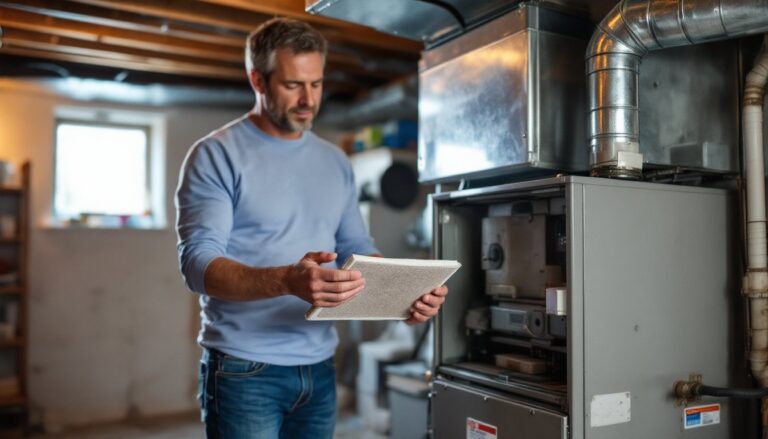
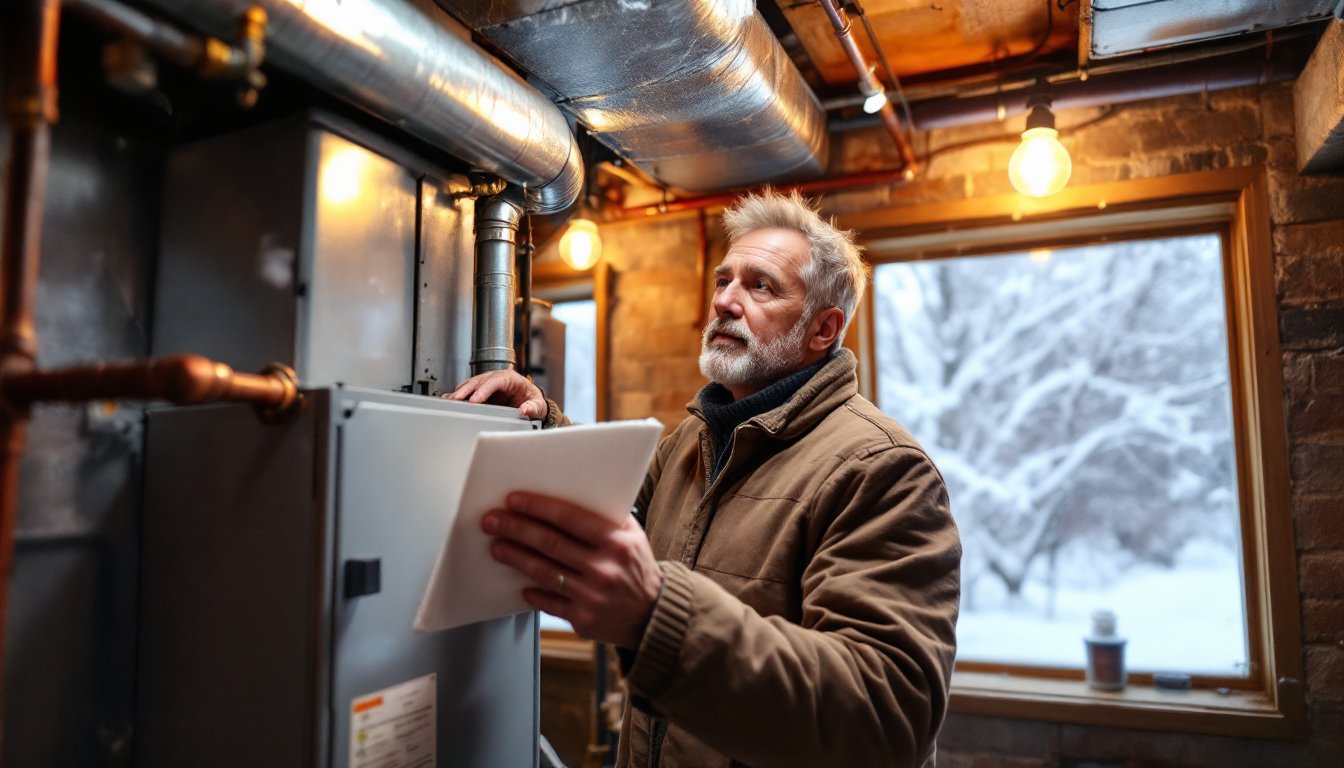
Your furnace filter is the first line of defense against dust, pet hair, and debris entering the system. A clogged filter forces your furnace to work harder, reducing efficiency and potentially damaging internal components.
How often to change: During Chicago’s heating season (roughly October through April), check your filter monthly. If it looks gray or caked with dust, it’s time to replace it. In peak winter months or if you have pets, you might swap it every 30 days. During summer when heating isn’t running, you can check quarterly.
What you’ll need: A replacement filter matching your furnace’s size (common sizes include 16×20×1, 16×25×1, or 20×25×1 inches: check your current filter or furnace manual for exact dimensions) and five minutes.
Steps:
- Turn off your furnace at the thermostat or disconnect switch to prevent dust from being pulled through the system while the cover is open.
- Locate the filter. It’s usually in a return air duct or blower compartment, check your furnace manual if you’re unsure.
- Note the arrow on the filter frame: it points in the direction of airflow.
- Slide out the old filter and slide the new one in with the arrow pointing toward the furnace (not back toward the return air).
- Turn the furnace back on.
If your filter is heavily clogged, resist the urge to “clean” and reuse it. Disposable filters aren’t designed for washing, and a wet filter will grow mold and reduce airflow further.
Inspecting Vents And Ductwork
Your furnace’s vent pipe and supply ductwork need to be clear of blockages to work safely and efficiently.
What to look for:
- Vent pipe outside: Snow, ice, bird nests, or leaves blocking the outdoor termination. Even a partial blockage causes combustion gases to back up into your home.
- Supply vents indoors: Furniture, curtains, or rugs covering them. Blocked vents force heated air to back up, causing the furnace to cycle more and work harder.
- Visible duct damage: Crushed, kinked, or disconnected sections reduce airflow and can release heated air into unconditioned spaces like attics or basements.
What you can do:
- Clear snow and debris from the outdoor vent termination seasonally, especially after heavy snow or windstorms.
- Ensure all supply vents and cold air returns are unobstructed.
- Look for gaps where ductwork connects. If you see daylight or gaps wider than 1/8 inch, note it for your professional technician.
- Inspect accessible ductwork in basements or attics for tears or disconnections. Minor gaps can be sealed with metal-backed HVAC tape (not duct tape, which deteriorates over time).
If you spot a seriously damaged section of duct or a major blockage you can’t clear safely, this is where you call a professional. Improperly sealed ducts waste heated air and can allow combustion gases to enter living spaces, a serious safety hazard.
When To Call A Professional HVAC Technician
Know your limits. Some tasks require professional training, specialized tools, and certification.
Schedule annual professional service: An HVAC technician performs a comprehensive inspection every fall before the heating season starts. They’ll check the heat exchanger for cracks (the most critical safety item), test for CO leaks, clean the blower compartment, lubricate moving parts, check electrical connections, and test thermostat operation. This typically costs $150–$300 in Chicago, depending on the contractor.
Resources like HomeAdvisor and Angi provide cost estimators and contractor reviews to help you find a qualified technician in your area. A licensed, insured HVAC professional is essential: furnace work involves natural gas, electricity, and ventilation issues that can be dangerous if mishandled.
Call a pro if you notice:
- Unusual noises: Loud banging, rattling, or grinding sounds often signal internal problems like a cracked heat exchanger or failing bearings.
- Weak airflow or uneven heating: If some rooms stay cold while others get too hot, your ducts may need cleaning or balancing, a job that sometimes requires professional equipment.
- Visible rust, corrosion, or water leaks: These indicate deterioration that requires inspection and possible component replacement.
- Trouble with ignition or pilot light: On gas furnaces, pilot light issues or ignition failures need professional diagnosis. Never try to adjust gas components yourself.
- Rising heating bills: A sudden spike suggests declining efficiency. A technician can pinpoint whether it’s a dirty blower, worn seals, or another issue.
- Any smell of gas or burning: This is an emergency. Turn off the furnace, open windows, and call a technician or your gas company immediately.
Chicago’s climate is tough on furnaces, and the stakes are high when heating fails in winter. A professional inspection catches problems before they become emergencies, extends your furnace’s lifespan, and keeps your household safe. Today’s Homeowner offers seasonal maintenance checklists that outline what homeowners can handle and when to bring in an expert.
Conclusion
Furnace maintenance in Chicago boils down to two things: staying on top of the basics yourself and investing in professional care every year. Changing your filter regularly, keeping vents clear, and listening for warning signs keeps your system healthy. Add an annual professional inspection to that routine, and you’re protecting your investment, your comfort, and your safety through long winters. Don’t wait until the furnace fails on a frozen January night, take control of maintenance now.