Seattle’s wet, cool climate puts year-round demands on your furnace. Between high heating costs and the constant damp air, keeping your system efficient isn’t just about comfort, it’s about preventing expensive repairs down the road. Furnace maintenance in Seattle isn’t complicated, but it does require seasonal attention and honesty about what you can tackle yourself. This guide walks you through the essential checks, maintenance tasks, and red flags that’ll help your furnace stay reliable through the long winter months and avoid that 2 a.m. breakdown when you need heat most.
Table of Contents
ToggleKey Takeaways
- Furnace maintenance in Seattle is critical due to the wet climate’s corrosive effects on heat exchangers and increased heating demands year-round.
- Replace your furnace filter every 1–3 months and consider upgrading to a MERV 11 pleated filter to improve air quality and efficiency in damp conditions.
- Perform seasonal checks in fall and spring by testing ignition, inspecting ducts for rust and moisture, and listening for unusual sounds to catch problems early.
- Keep the external furnace vent pipe clear of debris and ice buildup during winter to prevent dangerous carbon monoxide accumulation inside your home.
- Call a licensed professional HVAC technician for any issues involving gas lines, heat exchanger damage, blower motor sounds, or refrigerant leaks—don’t attempt DIY repairs on these components.
- Schedule annual professional inspections in early fall (typically $150–$300) to identify wear before heating season and comply with Seattle’s municipal code requirements for older systems.
Why Furnace Maintenance Matters in Seattle’s Climate
Seattle’s combination of wet winters and air quality challenges means furnaces work harder here than in drier climates. High humidity promotes corrosion on heat exchanger surfaces, and the constant demand for heating stresses mechanical parts. A well-maintained furnace runs more efficiently, cuts energy bills, and lasts longer, potentially adding years to its lifespan.
Maintenance also catches small issues before they become catastrophic failures. A clogged filter restricts airflow, forcing the furnace to work harder and consuming more energy. A cracked heat exchanger or refrigerant leak (in heat pump systems) becomes expensive fast. Regular checks catch these problems while repairs are still simple. You’ll also notice better indoor air quality: a clean filter and properly functioning system remove dust, pollen, and moisture more effectively. In Seattle, where mold and mildew are genuine concerns, this matters.
Spring and Fall Seasonal Checks You Can’t Skip
Furnaces benefit from biannual attention: a thorough inspection before heating season begins (fall) and another after the heavy-use months end (spring). Before October, test your system to confirm it fires up and distributes heat evenly. Walk through each room and hold your hand near vents, airflow should feel consistent. In spring, after months of use, check for any sounds (rattling, squealing, grinding) that weren’t there before and ensure the system shuts down cleanly.
Visually inspect the furnace cabinet, ductwork, and visible connections. Look for rust spots, water damage, loose mounting bolts, or disconnected ducts. Seattle’s humidity means checking for condensation around seams, this isn’t normal and suggests moisture problems. Test your thermostat by setting it a few degrees higher than the current room temperature: the furnace should ignite within a minute. Listen for the blower motor starting smoothly. These quick checks take 15 minutes and often reveal problems before they become urgent.
Filter Replacement Basics
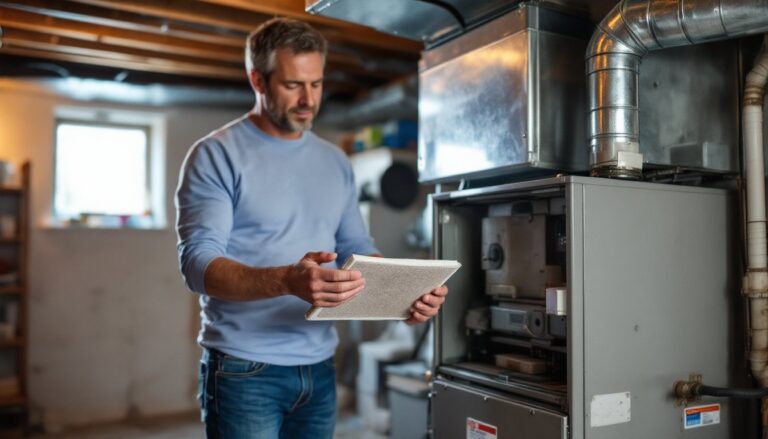
Your furnace filter is the simplest maintenance task and the one most homeowners neglect. A standard 1-inch fiberglass filter should be replaced every 1–3 months, depending on use, pets, and air quality. In Seattle’s damp climate, consider upgrading to a MERV 11 pleated filter, which captures more particles and improves air quality without restricting airflow excessively. Higher MERV ratings (MERV 13+) may reduce airflow if your system isn’t designed for them, check your furnace manual.
Locate the filter slot (usually on the return air duct or furnace cabinet) and note its size. Standard sizes are 16×20×1, 16×25×1, and 20×25×1 inches (nominal measurements: actual dimensions are slightly smaller). Turn off the furnace before replacing the filter, it’s safer and prevents dust from circulating. Slide out the old filter and note the airflow direction arrow printed on its frame: the new filter must face the same direction. Slide the replacement in firmly and confirm it sits flush with no gaps at the edges. Write the replacement date on the frame with a marker so you don’t forget when to change it again.
Essential DIY Furnace Maintenance Tasks
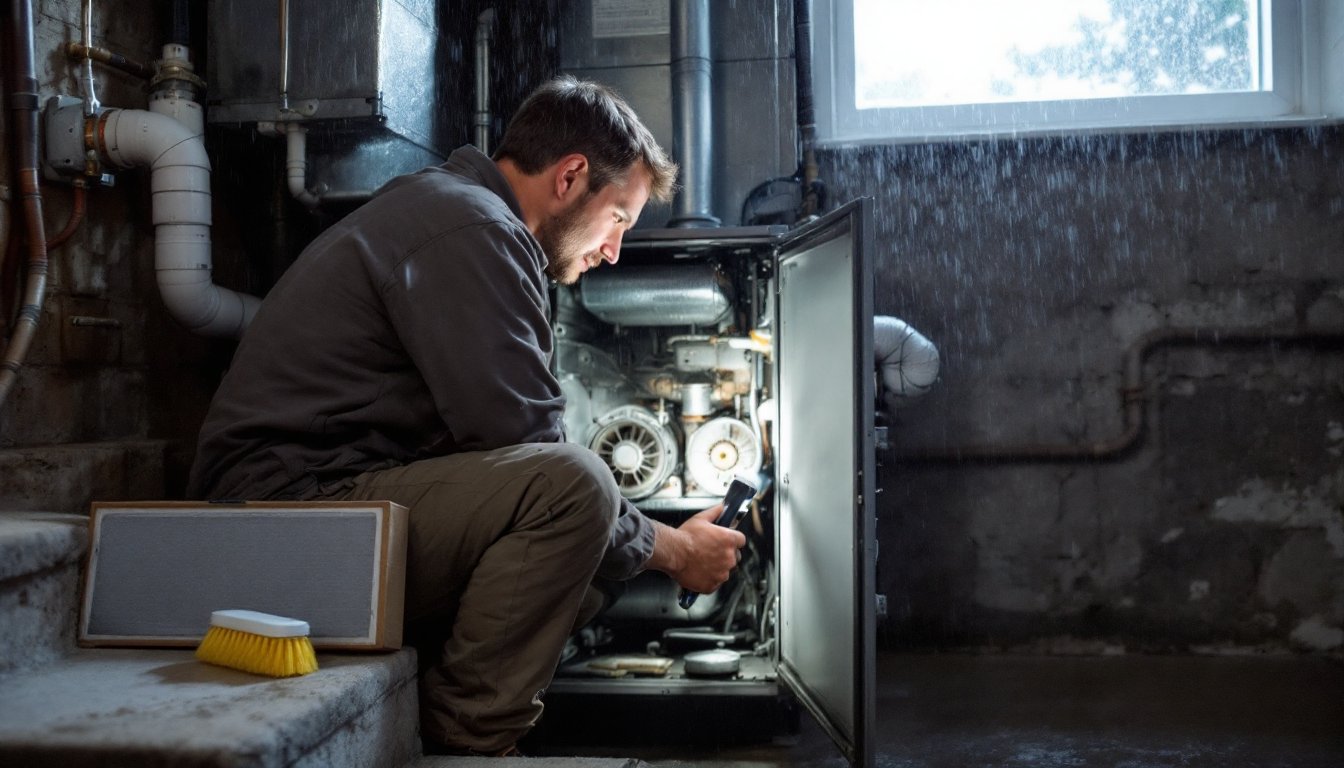
Beyond filter changes, several maintenance tasks fall squarely within the DIY range. Start with a visual inspection of the furnace blower compartment. Turn off power at the thermostat and the furnace breaker before opening the compartment door. Use a flashlight to look for dust buildup on the blower wheel and motor. If you see a thick coating of dust, a soft brush and vacuum can clean it, use gentle pressure to avoid damaging fins or bearings. This improves efficiency and reduces noise.
Check the furnace draft (the way exhaust vents out). Walk around the outside of your home and locate the furnace vent pipe. It should be clear of debris, animal nests, or ice buildup. In Seattle winters, ice can form around the vent: if you see this, a gentle warm water rinse or light chipping (avoid metal tools on the vent itself) clears it. Don’t ignore this, a blocked vent traps dangerous carbon monoxide inside your home.
Inspect the gas line connection (if you have a gas furnace). With the system off, look for corrosion, cracks, or loose fittings. You shouldn’t smell gas: if you do, shut off the gas supply at the meter and call a licensed technician immediately. Check that all access doors close firmly and that no wiring appears frayed or damaged. Listen for unusual sounds during operation, rattling cabinet parts often tighten with a wrench, but squealing noises in the blower motor usually signal a professional repair is needed. Test your thermostat batteries (if it uses them) and confirm the display is clear and responsive.
Common Furnace Problems Seattle Homeowners Face
Seattle’s climate and older housing stock create predictable furnace failure patterns. Corrosion on the heat exchanger is common in damp homes: humidity accelerates rust formation. You might notice the furnace running but producing weak heat or cycling on and off frequently, classic signs of internal corrosion. A professional can assess whether repair or replacement makes sense. Cracked or corroded heat exchangers are safety hazards (carbon monoxide risk) and warrant immediate professional attention.
Moisture in the ductwork is another frequent issue. If your ducts aren’t insulated or sealed, condensation forms as warm furnace air meets cold exterior surfaces. Over time, this promotes mold growth, which circulates through your home when the system runs. You might notice musty odors or reduced airflow. Ductwork cleaning and sealing are professional jobs: mold remediation, in particular, requires licensed technicians.
Blower motor failure shows up as loud grinding, squealing, or complete loss of airflow even though the furnace igniting. Homeowners attempting DIY bearing or motor replacement risk damaging other components. Another common scenario: the furnace ignites but the blower doesn’t start. This often points to a failed limit switch or blower relay, simple parts, but proper diagnosis and replacement require tools and experience.
Leaking gas lines, clogged burners, and malfunctioning ignition systems also appear regularly. These aren’t DIY territory. If your furnace smells like gas, runs but produces no heat, or cycles rapidly without maintaining temperature, professional diagnosis is needed. Seattle homeowners also deal with frozen condensate drain lines in winter, a minor issue that turns major if you ignore it. The furnace has a built-in shutoff that prevents operation if the drain backs up, leaving you without heat.
When to Call a Professional HVAC Technician
Be honest about your limits. Furnace systems involve electrical wiring, combustible gas, and tight tolerances that demand professional expertise. Call a technician if the furnace won’t ignite, produces no heat, makes grinding or squealing sounds, you smell gas, the system cycles frequently without maintaining temperature, airflow is weak across multiple rooms, you see water pooling near the unit, or anything looks corroded or damaged internally.
Annual professional inspections (ideally in early fall, before heating season) catch wear before it becomes failure. A technician cleans burners, tests combustion efficiency, checks the heat exchanger for cracks, inspects the gas line, tests electrical connections, and runs diagnostics. This typically costs $150–$300 but often prevents costly repairs or emergency breakdowns. Many jurisdictions require annual inspections for systems over a certain age, check Seattle municipal codes.
Finding a trusted technician matters. Ask neighbors or check platforms like Angi for contractor reviews to see ratings and homeowner feedback. Get multiple quotes for major repairs: prices vary, but the cheapest isn’t always best. A technician should explain findings clearly, recommend repairs, and outline options. If you’re planning major work like furnace replacement, HomeAdvisor’s cost estimators and Bob Vila’s contractor recommendations provide ballpark figures and guidance on hiring licensed professionals. This helps you budget and avoid surprises.
Conclusion
Furnace maintenance in Seattle isn’t a complicated task, but it is a necessary one. Filter changes, seasonal checks, and basic visual inspections keep your system running efficiently and catch problems before they escalate. Know your limits, gas lines, heat exchangers, and electrical components require professional hands. A well-maintained furnace beats the stress of a midwinter breakdown and keeps energy bills reasonable through Seattle’s long heating season.